

A personal loan is an unsecured loan provided by financial institutions such as banks, credit unions, and online lenders to individuals. Unlike secured loans, personal loans do not require collateral. They are typically used to cover personal expenses like medical bills, home renovations, debt consolidation, or other financial needs.

Research and Compare: Compare different lenders based on interest rates, fees, and terms.
Check Eligibility: Ensure you meet the eligibility criteria of the chosen lender.
Apply: Submit an online or offline application form along with the required documents.
Verification: The lender will verify your documents and creditworthiness.
Approval and Disbursement: Once approved, the loan amount is disbursed to your bank account.
Unsecured Nature: Personal loans are generally unsecured, meaning borrowers do not need to provide collateral such as property or other assets.
Fixed Loan Amount: Borrowers receive a lump sum amount that is to be repaid in fixed installments over a specified period.
Fixed Interest Rate: The interest rate is usually fixed for the entire loan tenure, making it easier for borrowers to plan their repayments.
Loan Tenure: The repayment period can range from a few months to several years, typically from 1 to 5 years, depending on the lender and the borrower’s eligibility.
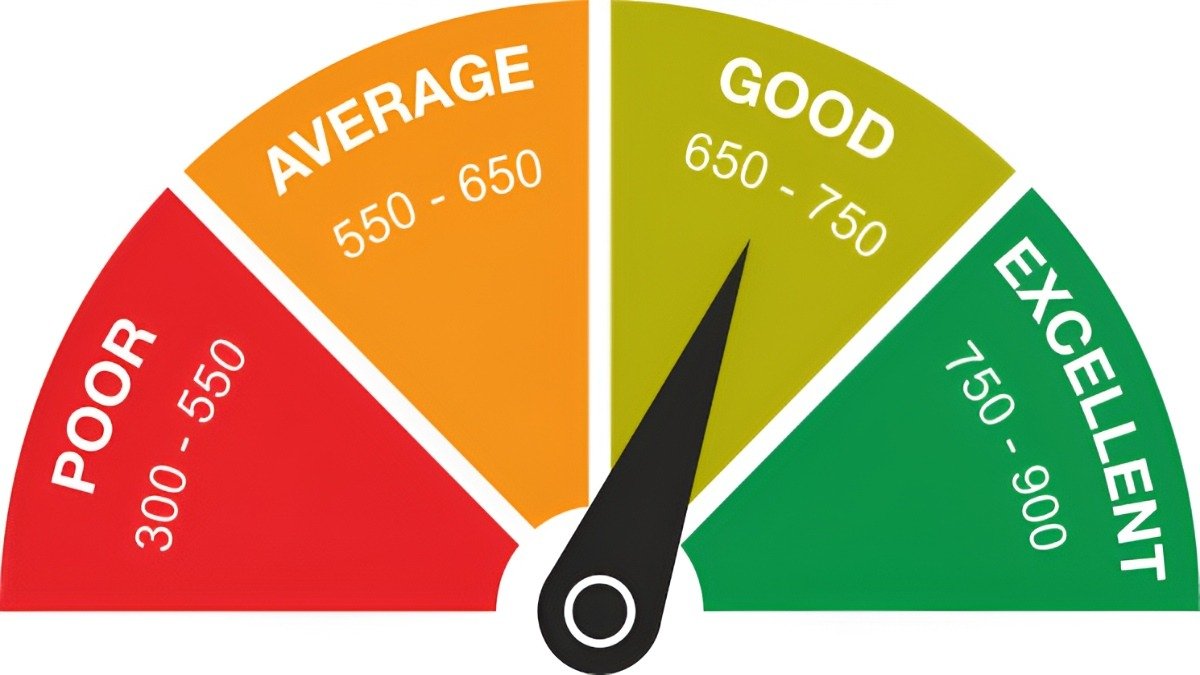
Eligibility criteria for personal loans may vary by lender but generally include:
Credit Score: A good credit score increases the likelihood of loan approval and better interest rates.
Income: Proof of a stable income is required to demonstrate the ability to repay the loan.
Employment Status: Steady employment history is often considered, whether salaried or self-employed.
Age: Typically, borrowers must be within a certain age range, usually between 21 and 60 years.
Debt-to-Income Ratio: Lenders assess the borrower’s existing debt relative to their income to ensure they can manage additional debt.
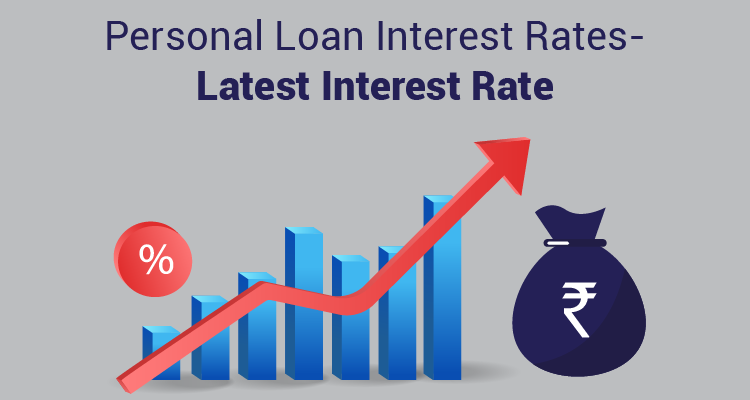
Interest Rates: Interest rates on personal loans can vary widely based on the borrower’s credit score, income, and the lender’s policies, typically ranging from 10% to 24% per annum.
Processing Fees: A one-time processing fee is usually charged, ranging from 1% to 2% of the loan amount.
Prepayment Penalties: Some lenders may charge a fee for early repayment of the loan.
Late Payment Fees: Penalties for late payments can apply.
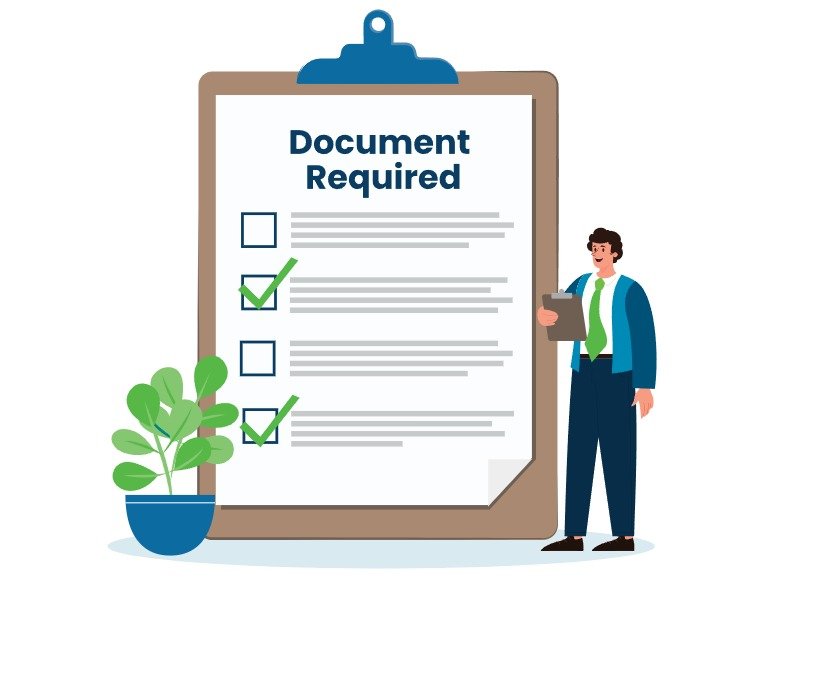
Typical documents required for a personal loan application include:
Personal Details:Full Name, Mobile Number, and E-mail id.
Proof of Identity: PAN card.
Proof of Address: Aadhar card.
Income Proof: 3 Months’ Salary slips, 1 Years of bank statements, Income tax returns / Form 16, etc.
Personal loans offer a convenient way to access funds for various personal needs without the requirement of collateral. However, it's essential to carefully consider the interest rates, fees, and repayment terms before applying to ensure it aligns with your financial situation and repayment capacity.