

A mortgage loan is a type of loan secured by real estate property, where the borrower receives funds from a lender to purchase a property or refinance an existing property. The borrower agrees to repay the loan amount along with interest over a specified period, typically in monthly installments. If the borrower fails to repay the loan, the lender has the right to foreclose on the property and sell it to recover the outstanding debt.

Fixed-Rate Mortgage (FRM): The interest rate remains constant throughout the loan term, providing predictable monthly payments.
Adjustable-Rate Mortgage (ARM): The interest rate can change periodically based on a benchmark interest rate or index, leading to variable monthly payments.
Interest-Only Mortgage: The borrower pays only the interest for a specified period, after which regular principal and interest payments commence.
Land Purchase Loan: For purchasing a plot of land for residential construction.
Reverse Mortgage: Available to senior citizens, allowing them to convert part of the equity in their home into cash without selling the property.
To qualify for a mortgage loan, borrowers typically need to meet certain criteria:
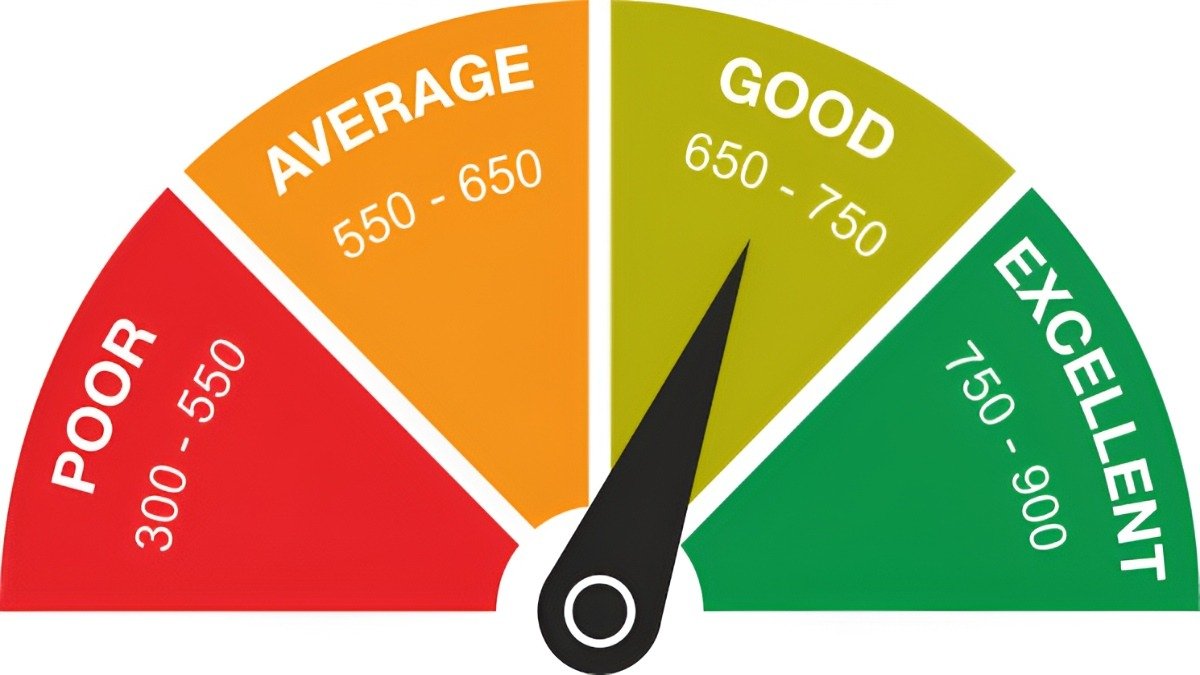
Credit Score: A good credit score indicates a borrower's creditworthiness and impacts the interest rate.
Income: Proof of stable income to ensure the ability to repay the loan.
Debt-to-Income Ratio (DTI): The ratio of monthly debt payments to gross monthly income, indicating the borrower's financial health.
Down Payment: A higher down payment reduces the loan amount and can result in better loan terms..

Pre-Approval: The lender evaluates the borrower's financial status and provides a pre-approval letter indicating the loan amount they qualify for.
Property Search: The borrower searches for a property within the pre-approved loan amount.
Loan Application: The borrower submits a formal loan application along with required documentation.
Property Appraisal: The lender assesses the property's value to ensure it covers the loan amount.
Loan Approval: After verifying all details, the lender approves the loan.
Closing: Legal documents are signed, the down payment is made, and the loan funds are disbursed.
Typical documents required for a mortgage loan application include:
Personal Details:Full Name, Mobile Number, and E-mail id.
Proof of Identity: PAN card.
Proof of Address: Aadhar card.
Income Proof: 3 Months’ Salary slips, 1 Years of bank statements, Income tax returns / Form 16, etc.
Principal: The original loan amount borrowed.
Interest Rate: The cost of borrowing the principal, expressed as a percentage. It can be fixed or variable.
Term: The duration over which the loan must be repaid, usually ranging from 15 to 30 years.
Down Payment: An upfront payment made by the borrower, typically a percentage of the property's purchase price.
Tenure: The tenure of a home loan is the period over which the borrower agrees to repay the loan. It typically ranges from 10 to 30 years.
EMI (Equated Monthly Installments): The fixed monthly payment comprising both principal and interest.
A mortgage loan is a financial tool that facilitates homeownership by allowing borrowers to spread the cost of a property over many years, while also posing certain risks and requiring careful financial consideration.